Everything you need to know about Japanese knotweed
.webp)
Summary
An introduction to Japanese knotweed as a property problem: it can grow up to 10 centimetres a day in peak season, its roots spread several metres underground, and it forces its way through cracks in drains, paving and even foundations. Cutting it back above ground does not solve it — specialist treatment and long-term monitoring are needed, its presence can wipe thousands off a property's value, and many mortgage lenders refuse to lend where it is found nearby. Covers the landowner's duty to prevent spread onto neighbouring land and the disposal rules: cuttings and contaminated soil are controlled waste requiring licensed landfill or incineration, while burning or burying on your own land requires notifying the Environment Agency and your local authority and an exemption certificate. Claims may lie against a neighbour, a seller who failed to disclose, or a surveyor who overlooked it.
Japanese knotweed is one of the most problematic plants in the UK. While it may appear harmless at first glance, this invasive species can cause extensive property damage, lead to costly treatment bills, and even reduce a home's value. For many homeowners and landowners, discovering knotweed can feel overwhelming. However, with the right advice and prompt action, the problem can be addressed before it has a serious impact.
Why is Japanese knotweed such a big issue?
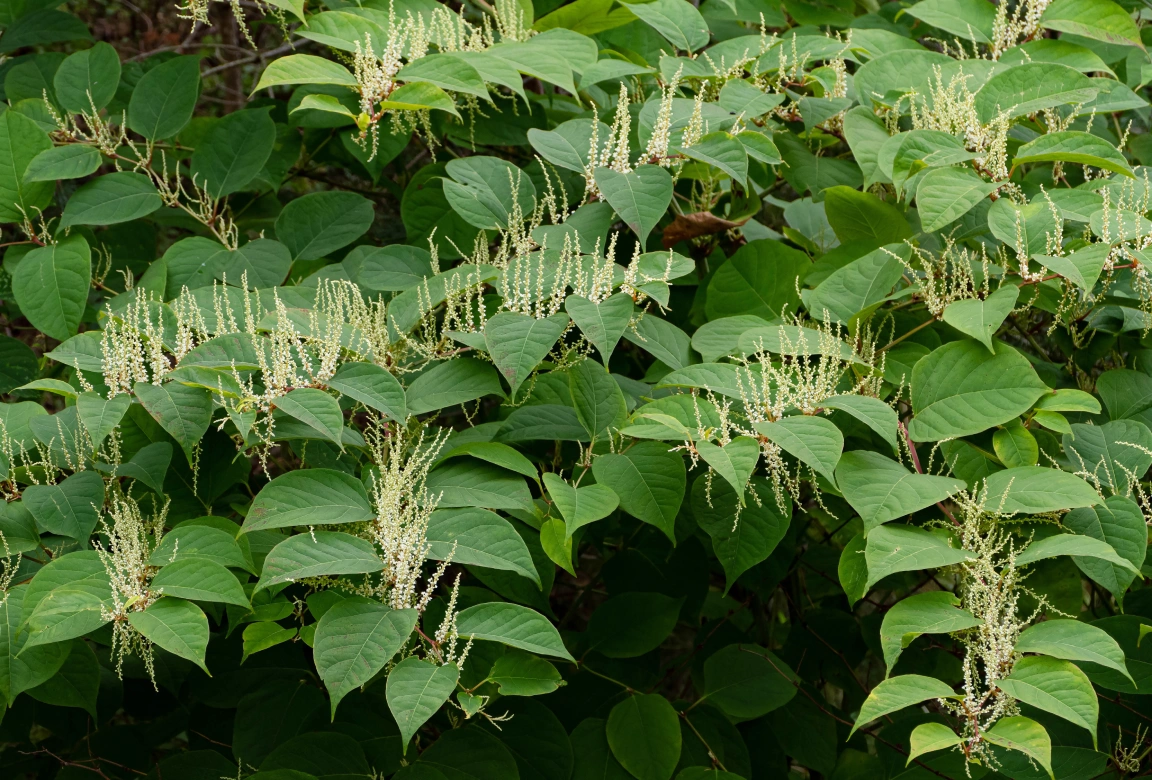
Japanese knotweed is notorious for its aggressive growth. During peak season, it can grow by as much as 10 centimetres a day, with roots spreading several metres underground. As it grows, the plant can cause significant damage to structures by forcing its way through cracks in drains, paving, and even foundations.
The roots are incredibly resilient, so simply cutting the plant back above ground will not solve the problem. Specialist treatment and long-term monitoring are usually required – and can be expensive. It’s such a serious issue that the presence of knotweed can wipe thousands of pounds off the value of a property, with many mortgage lenders refusing to approve loans if the plant is found nearby.
What does the law say about Japanese Knotweed?
Legally, landowners have a duty to prevent knotweed from spreading onto neighbouring land, and failure to do so can result in disputes and potential court proceedings. That means that if you find evidence of the plant growing on your land, you need to act quickly to prevent it spreading – not only to avoid damage to your own property, but to avoid the risk of legal action by neighbouring owners.
Can I get rid of knotweed myself?
It’s not just about controlling the plant’s growth. Cuttings or clippings, as well as soil contaminated with Japanese knotweed, can be classified as controlled waste and must be disposed of at a licensed landfill or incineration facility.
You can burn or bury it on your own land – but you’re legally required to notify the Environment Agency and your local authority, as well as apply for an exemption certificate. Because of the complex legal situation, it’s always best to seek specialist advice before attempting to deal with the plant yourself.
What if the knotweed spread from a neighbouring property?
If Japanese knotweed has spread to your property from a neighbour’s land, you may have a claim against them. Claims can also arise where sellers fail to disclose the presence of knotweed during a property sale, or where surveyors or other professionals overlook it during inspections. In these cases, compensation may be available to cover the costs of treatment, the loss of property value, and the inconvenience caused by the infestation.
Have you discovered Japanese Knotweed on your property?
If so, taking early action is essential. Knotweed spreads quickly, and the longer it is left untreated, the greater the potential damage to your home or investment. Acting promptly not only helps to contain the plant but also strengthens your legal position if you decide to pursue a claim.
At Complex Law, we have significant experience in dealing with Japanese knotweed claims. We work with expert surveyors and treatment specialists to assess the full impact on your property and to ensure you are appropriately compensated. If you’re worried about the effect of knotweed on your home or land, we encourage you to seek advice as soon as possible.
Contact our team today for free guidance on your options and to find out whether you may have a claim.



.svg)