Found Japanese knotweed on your property? Who's responsible, and what can you do about it?
.webp)
Summary
Japanese knotweed claims in England and Wales usually lie against a neighbour who knew or should have known of knotweed on their land, a seller who failed to disclose it on the TA6 form, a surveyor who missed visible growth, or a contractor who imported contaminated soil. Recoverable losses include diminution in property value, treatment costs (herbicide programmes run several thousand pounds over three to five years; excavation can reach tens of thousands), structural repairs, mortgage and aborted-sale costs, and damages for distress. Owners need not remove knotweed, but allowing it to spread is an offence and cuttings are controlled waste under the Environmental Protection Act 1990. Limitation is generally six years from damage or knowledge, and a 'not known' answer on the TA6 does not protect a seller who in fact knew.
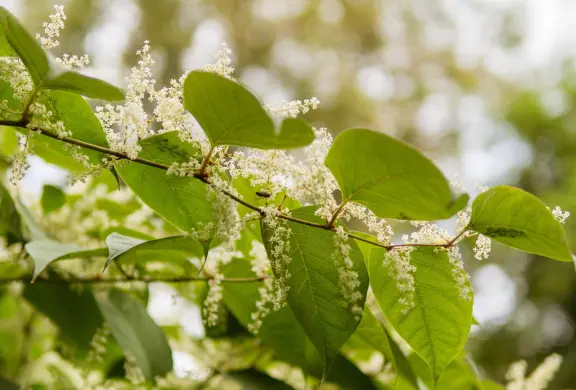
The mention of Japanese knotweed is enough to make homeowners catch their breath, and with good reason. Left unchecked, it grows aggressively, damages structures, and is notoriously difficult to eradicate. As well as the physical damage to your property, you could see the value of your home fall, and find yourself on the hook for removal and treatment costs running into four figures or more. So if you spot it, act quickly and find out who may be responsible.
At Complex Law, we've successfully pursued Japanese knotweed claims against negligent neighbours, dishonest sellers, and professional surveyors who failed in their duty. We've also helped property owners defend claims brought against them by other parties affected by knotweed.
Whatever your situation, this article will help you understand how liability arises, what losses you can recover, and how to approach the situation if you've found knotweed on your property.
Who's liable when knotweed is discovered on a property?
First, if you find Japanese knotweed on your property, as the owner you have legal responsibilities. You're not required to remove it, but allowing it to spread to a neighbouring property or wild land is an offence. When disposing of knotweed, you must follow the Environmental Protection Act 1990, as it is classed as controlled waste. It must be taken to a licensed disposal site; you cannot place it in a skip or compost heap.
You'll need to deal with the issue. If it's left unchecked, it's very likely to spread beyond your property, and this could expose you to legal action. If a neighbour or other party has contacted you with a complaint related to knotweed, seek qualified legal advice early. Contact Complex Law, and we'll help assess your position and plan the best legal strategy.
If you have evidence that someone else is responsible for the knotweed being present on your land, you may have grounds for a claim. The parties most often at fault include:
Neighbours
The most common cause of a knotweed infestation is when it spreads from a neighbour's land. You may not see any overhanging growth, but Japanese knotweed has a root (or rhizome) network that can spread underground, beneath fences or walls, and emerge on your side. If your neighbour was aware (or should reasonably be aware) of knotweed on their land, you may be able to claim against them for any spread.
Sellers
Another common scenario is buying a property, then moving in to find the presence of knotweed. If the seller knew the plant was present but failed to properly disclose it on the property information form (the TA6), you may have grounds for a claim against them due to misrepresentation.
Surveyors
Sometimes buyers unwittingly purchase a property affected by knotweed because a surveyor failed to identify it during the pre-purchase survey. Even a basic survey should identify common signs of knotweed growth on the property or within a short distance of its boundaries. If you can prove the knotweed was present on the property and readily visible at the time of the surveyor's inspection, you may have a claim.
Contractors
A less common but not unusual scenario involves soil previously contaminated with knotweed rhizomes or fragments being introduced to your property. If contaminated soil was imported to your land (for example, during landscaping or construction), the party responsible for that contamination may be liable.
Another party is responsible for knotweed on my land. What losses can I recover?
If there's evidence that a third party was responsible for Japanese knotweed spreading to your property, or that it was present before you bought the property, then the law is on your side. We've successfully pursued knotweed claims that have recovered a range of losses, depending on the circumstances.
Reduction in property value
This represents the difference between what you paid (or what the property would be worth without knotweed) and its actual value with knotweed present. Even after treatment, many properties remain worth less than they would be if knotweed had never been present, because buyers and mortgage lenders stay cautious. A specialist valuation can give you an exact figure if you're seeking compensation as part of a claim.
Treatment and removal costs
Professional knotweed treatment is expensive. Herbicide programmes typically cost several thousand pounds and take three to five years to complete, while excavation (digging out the rhizomes) is faster but considerably more costly, often running into tens of thousands of pounds for larger infestations. If you've already paid these costs or have quotes for future treatment, these can form part of your claim.
Repair costs for structural damage
The damage caused by Japanese knotweed can be significant, including cracked walls, damaged drains, lifted paving, or undermined foundations, and the cost of repair can be substantial. If you've had to spend money on structural repairs to make your property safe and habitable, these expenses can also be recovered as part of a successful claim.
Consequential losses
These may include costs associated with mortgage difficulties (higher interest rates, arrangement fees for specialist lenders), legal fees from aborted transactions if you attempted to sell and the sale fell through due to knotweed, or additional professional fees such as specialist surveys.
General damages
In some cases, compensation for distress and inconvenience may also be awarded, particularly where the knotweed has significantly affected your ability to enjoy your property or has caused prolonged stress.
Why acting quickly matters
If you find or suspect the presence of Japanese knotweed on your property, how fast you act can significantly affect both the practical outcome and any future legal claim.
Containing the damage
A problem that might cost a few thousand pounds to treat today could cost significantly more in two or three years if left unchecked. The longer knotweed remains untreated, the greater the risk of serious structural damage, the more you're exposed to legal action if it spreads, and the harder it becomes to sell or remortgage the property.
Preserving evidence
If the knotweed has encroached from a neighbour's land, acting promptly means the source can be clearly identified, for example by taking photographs. If you don't act quickly and the neighbour later treats their own plant (or the property changes hands), establishing liability becomes more complex.
Legal time limits
Japanese knotweed claims are subject to limitation periods. For most claims in negligence or nuisance, you have six years from the date the damage occurred, or from the date you first knew (or should reasonably have known) about the problem. For misrepresentation claims against a seller, different limitation rules may apply.
Frequently asked questions
I've seen what might be knotweed on my neighbour's side of the fence, but it hasn't reached my property yet. Can I do anything?
Yes, you can, and you should. If there's visible knotweed growth near a property boundary, it's highly likely to spread onto your land eventually. You don't have a legal claim yet (you haven't suffered damage), but give your neighbour formal notice. If they then fail to act, the fact that they were warned strengthens any future claim you might make. Inform them in writing of the issue, and ask to be kept up to date on any remedial action they plan to take.
The seller's TA6 form says "not known" next to the knotweed question. Does that protect them?
It's not that simple. If they answer "not known" but there is evidence that they did know (they'd had treatment carried out, been notified by neighbours, or the plant was clearly visible), then their answer is misleading and potentially grounds for legal action. We've successfully challenged "not known" answers where a review of the available evidence showed the seller must have been aware and was dishonest in their answer on the TA6 form.
My surveyor didn't mention knotweed, but I only had a basic mortgage valuation. Can I still claim?
From a legal point of view, the question is whether a reasonably competent surveyor would have identified and reported the issue given the type of inspection carried out. So even with a basic survey, if knotweed was clearly visible from readily accessible areas of the property, a competent surveyor should have noticed it. If you're unsure whether you have a claim, speak to Complex Law to discuss your case in more detail with our dedicated Japanese knotweed team.
Can I sell my property if it has Japanese knotweed?
You can still sell the property, but it will be a more complicated process, and you're likely to receive a lower price. You're legally obliged to inform any potential buyer that Japanese knotweed is present, and once you do, most buyers will either look elsewhere or ask for a significant discount to cover the time and cost of removing the knotweed.
In almost all cases, you're best off getting specialist help to deal with any knotweed issue before putting a property on the market. If you're in this situation, speak to Complex Law, and we'll advise on the best way forward.


.svg)