Purchase scams are on the rise. Would you spot one?
.webp)
Summary
Purchase scams — paying for goods that never arrive — cluster in five areas: vehicles, holiday lets, electronics, event tickets and pets. The Global Anti-Scam Alliance reports that one in five UK consumers has been targeted by fraudsters. This article breaks the scam into its three-stage script (an underpriced offer, manufactured pressure to pay by bank transfer, then silence) and sets out five immediate steps: contact your bank to request a transfer recall or ask about chargeback and Section 75, stop all contact, screenshot the listing and messages, report to Report Fraud and the platform, then take legal advice. Recovery depends on how you paid rather than where you found the listing — bank transfers may be reimbursed under the APP fraud rules, and court orders can compel platforms to disclose seller details. Any post-payment 'release fee' is an advance-fee scam.
We all love a bargain – but if something’s too good to be true, it’s important to be extremely cautious. A nearly new car far below market value. A holiday in a premium location – but at an unbeatably low rate. A sold-out games console that’s still available on one website – for 25% off retail value. These deals seem too good to miss out on, but if you scratch the surface, you’ll probably find a scammer at work.
These scams are increasingly common, with the Global Anti-Scam Alliance reporting that 1 in 5 UK consumers have been targeted by fraudsters. Read on to ensure that you (and your family) stay safe.
What are common purchase scams to look out for?
Vehicles
Fake ads for cars, motorbikes or e-scooters circulate on social media platforms and messaging groups. The vehicle will usually be priced under market value to attract a quick sale, and the seller may ask for a deposit or full payment before letting you view the vehicle (with excuses such as “the owner is overseas” or “the car is in storage”)
Holidays
Fraudulent listings for apartments or holiday homes are common – in some cases, they’re copied and pasted directly from legitimate sites, with the contact details changed. Victims pay a deposit, or the whole rental fee, and only realise when arriving at their destination that no such property exists – or if it does, it’s been rented to someone else.
Electronics
Laptops, consoles and phones are often used in scams as the latest models are usually in high demand, and consumers are keen to save money on the high list price of flagship devices. Official-looking websites and social media posts lure buyers into handing over money for the latest tech – but the delivery never arrives.
Tickets
Ticket scams prey on consumers looking to see their favourite artists, bands or sports teams but facing a “sold out” message on official sites. They claim to have access to genuine tickets on resale, but once payment is made, the tickets turn out to be fake or duplicates of real tickets that won’t scan at the event.
Pets
Fraudsters exploit animal lovers by advertising puppies or kittens that need a new home. But once you show interest, a deposit is required, then a fee for vaccinations, then additional insurance and money for transport costs – it all starts to stack up. Meanwhile, the animal may not exist at all – or if it does, the breed or condition is often misrepresented.
How do purchase scams lure shoppers in?
The products, offers, and communication channels scammers use are constantly changing – often in response to seasonal trends or shifting consumer demand. But the basic format of a scam follows a similar script every time.
Creating a compelling offer
The first you’ll see of a purchase scam is usually a post on social media, a listing on an online marketplace or a clone of a genuine retailer’s website. You may also receive direct messages appearing to be from friends if their accounts have been hacked. The offer is always basically the same – an in-demand product or service at a price that’s too good to miss – often “limited stock remaining, or “must buy before (date)”.
Turning on the pressure
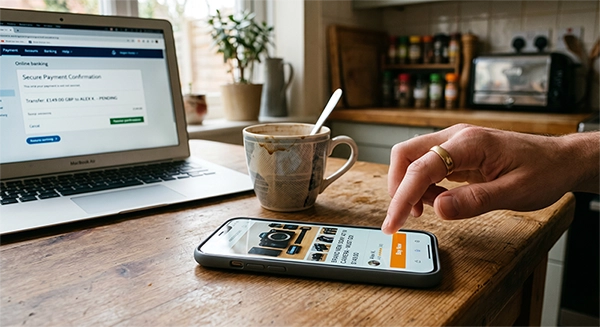
Once you show interest, the scammer turns on the hard sell. They may tell you they have other buyers interested, they can give you a discount, but only if you pay now, or there’s only one item left, and it will be gone within hours. These are all tactics to get you to act without thinking it through. If you choose to go ahead, they’ll usually demand a bank transfer rather than a card payment or cash on collection because their "card reader is broken", or it's "quicker for both of us."
Making off (with your money)
As soon as your money lands in their account – silence. They won’t reply to your messages, the fake listing will be removed from the platform, or the fake website will go offline. You may have received a convincing-looking tracking email, but the chances of a delivery arriving are extremely slim. You’re left realising you’ve handed over your money to a fraudster.
What do I do next?
- Contact your bank immediately and report the payment as a potential fraud. If you paid by bank transfer, request an urgent recall. If you used a credit or debit card, ask about chargeback options or a Section 75 claim.
- Stop all contact with the seller and do not make any further payments – even if they contact you claiming additional fees are needed for "delivery," "customs," or "insurance."
- Screenshot the listing, save all messages and emails, and note down any phone numbers, email addresses, website URLs, payment references, or account details provided by the seller.
- Report the fraud to Report Fraud (the UK's national centre for reporting fraud) and to the platform where the listing appeared. An official report is critical to any investigation.
- Seek legal advice. You may have legal avenues to pursue recovery – including filing complaints with your bank, pursuing claims against payment recipients, or obtaining court orders to trace and freeze funds.
Have you fallen victim to a purchase scam?
Purchase scams can be devastating – not just financially, but also emotionally. Remember that UK law protects consumers who have suffered losses due to fraud, and in many cases, practical steps can be taken to recover funds. Learn more about our Purchase Scam services or speak to one of our solicitors if you’ve been targeted.
Frequently asked questions
How can I tell the difference between a genuine bargain and a purchase scam?
The main signs of a scam are undue pressure to complete the purchase, refusal or reluctance to let you inspect the goods before purchase, or insistence on a specific or unusual form of payment, such as a direct bank transfer. Also, if the price really does seem “too good to be true”, that should warn you to be extremely cautious, rather than rushing to secure a bargain.
I've been asked to pay a "release fee" or "shipping charge" after already paying for the item. Is this a scam?
Yes, this is almost always a red flag – it’s known as an "advance fee" scam, which is where scammers try to extract further payments from a victim who has already handed over the purchase price. Legitimate sellers will always include all costs clearly in the agreed price, with any taxes, delivery fees, or service charges itemised on the original quote, invoice or payment screen.
Can I recover money lost to a purchase scam on social media?
Yes, in many cases. Where you encountered the scam is not the deciding factor – it’s how you paid. If you made a bank transfer, you may be eligible for reimbursement under the APP fraud rules. If you used a credit card, you may be able to make a chargeback. Social media platforms can be required to preserve data and, in some circumstances, disclose seller information through court orders, which allows a legal claim to be brought directly.
What is a "clone" website, and how do I spot one?
A clone website is a fraudulent site designed to look identical to a legitimate retailer or brand. It may feature the same logos, colour schemes and wording, but there are signs to look out for that reveal a fake website. Check the URL for slight differences or misspellings (e.g. "amaz0n" or “amazonn” instead of "amazon"), unusually low prices and a limited or missing contact info. If you’re unsure whether a website is genuine, navigate to it directly by typing in the correct URL manually – and see if the same offer is available.


.svg)