What counts as disrepair in a rented property?
.webp)
Summary
Defines disrepair in a rented property by reference to what a landlord must actually maintain: the structure and exterior, water, gas and electricity installations, sanitation, space and water heating, and shared areas such as stairwells — plus a minimum standard of fitness covering damp and mould, excessive cold, electrical faults, pests, inadequate ventilation and fall risks. Landlords must also provide an Electrical Installation Condition Report every five years. The article details the five disrepair types with the greatest health impact and answers the common landlord deflection that damp is the tenant's fault for not ventilating — usually wrong, since serious damp and mould is normally structural. Damaged belongings can be included in a claim, and courts take account of a possession claim brought after a disrepair complaint.
What counts as disrepair in a rented property?
All too often, tenants find themselves living in substandard conditions that impact their day-to-day lives – or in the worst cases, make them or their families ill. Damp walls, mould growth, broken heating systems, leaks or pest infestations are all more common than they should be in rented accommodation.
But the law is clear – landlords have a duty to ensure proper living conditions. If they fail in that duty, tenants have the right to take action. Knowing where to start can feel overwhelming – but there is help available. At Complex Law, we help tenants enforce their rights and secure the repairs and compensation they need to restore their home to acceptable standards.
What living standards are landlords legally obliged to ensure?
Many tenants are unaware of the full extent of a landlord’s legal responsibilities – or have been misled by unscrupulous landlords into believing certain issues are the responsibility of the tenant. They are not only obliged to correct major structural problems, such as a damaged roof; in fact, their duties cover all of the basic necessities that make a home safe and livable.
Structure and supplies
Landlords are responsible for maintaining the structure and exterior of the building. This includes the walls, floors, roof, windows and external doors. It also extends to water, gas, and electricity installations, sanitation (including baths, toilets, showers and sinks) and space or water heating – as well as any shared areas, such as the entry and stairwells in a block of flats.
Standards of fitness
Beyond structural maintenance, landlords must also ensure that the property meets a minimum standard of fitness. This means actively addressing hazards such as damp and mould growth, excessive cold, risks from electrical faults, pest infestations, inadequate ventilation, and risks of falls from heights or on stairs.
What disrepair issues have the most impact on tenants?
Some forms of disrepair are more than just inconveniences – they pose a genuine risk to health. This is particularly true for children, elderly residents, and anyone with respiratory conditions or compromised immune systems.
Damp and mould
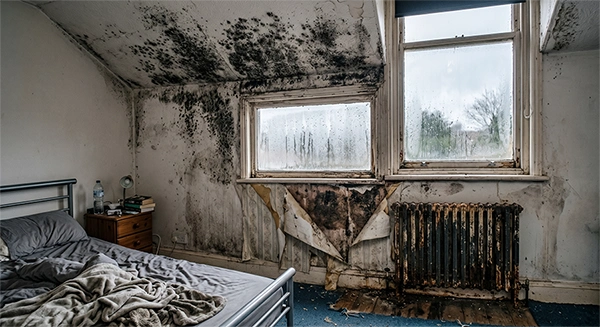
Damp and mould are among the most common issues in rented housing. Landlords may attempt to pass the blame onto tenants for not ventilating properly or drying clothes indoors, but in most cases, the cause is structural. Damaged or inadequate damp-proof courses, failing pointing or roof tiles, or poorly installed insulation can all cause persistent damp and mould – and health problems for residents.
Heating failures
Heating failures are another common issue, and one that becomes urgent during the winter months. When tenants are left without heating or hot water for weeks or months, they may face an increased risk of cardiovascular disease or respiratory illness, as well as the discomfort and distress of living in freezing conditions.
Water ingress and leaks
When water enters the property – whether from the roof, external walls, or plumbing – it can cause progressive damage and create the conditions for mould growth. Left unresolved, they can compromise the structural integrity of floors, ceilings, and walls.
Electrical hazards
Faulty wiring, switches or sockets and unsafe appliances pose an immediate threat – potentially resulting in electric shocks or house fires. It’s the landlord’s responsibility to ensure that all electrical installations meet minimum required standards – and they are legally obliged to provide tenants with an Electrical Installation Condition Report (EICR) every five years.
Pest infestations
The presence of vermin such as mice, rats, bedbugs or cockroaches can be extremely distressing for tenants and pose a serious hazard to their health. Pests carry various diseases and may also damage clothing or bedding. Landlords are obliged to arrange professional extermination or removal services as soon as they are made aware of an infestation.
I’m suffering due to disrepair in my home – what can I do?
Not every dripping tap requires a solicitor – but if your landlord has ignored repeated written reports, if the disrepair is affecting your health or your family's health, if the conditions are worsening, or if you've been threatened with eviction after complaining, it's time to get legal advice.
At Complex Law, we handle housing disrepair claims against all types of landlords. We'll assess your situation, advise on the strength of your case, and – where appropriate – take immediate steps to force action, including emergency court orders if there's an immediate risk to health or safety. Learn more about our Housing Disrepair Claim services or speak to one of our solicitors if you’re affected.
Frequently asked questions
My landlord says the damp is my fault for not opening windows. Are they right?
This is a common response from landlords who are trying to pass the responsibility onto the tenant. Usually, it’s wrong. Most serious damp and mould problems aren’t due to inadequate ventilation, but structural issues: failing damp-proof courses, poor insulation, leaking roofs, or defective pointing. These are all the landlord's responsibility to maintain or put right.
The landlord keeps sending contractors who don't fix the problem properly. What can I do?
Inadequate repairs which don’t fix the root cause of a problem can be extremely frustrating for tenants – and can allow disrepair to worsen. Simply sending a contractor to do a partial job doesn’t relieve the landlord of their obligations – they may still be in breach. As a tenant, the best tactic is to document each visit and note what was (and wasn't) done. If the problem persists, you likely have grounds for a claim.
Can I claim for belongings damaged by leaks or damp?
Yes. If your personal property has been damaged as a direct result of your landlord's failure to maintain the property, you can include the cost of damaged items in your claim. This might include furniture, clothing, electronics, or other personal belongings affected by water ingress or mould. Keep photographs of the damage and, where possible, receipts or estimates for replacement costs.
If I make a claim, will my landlord try to evict me?
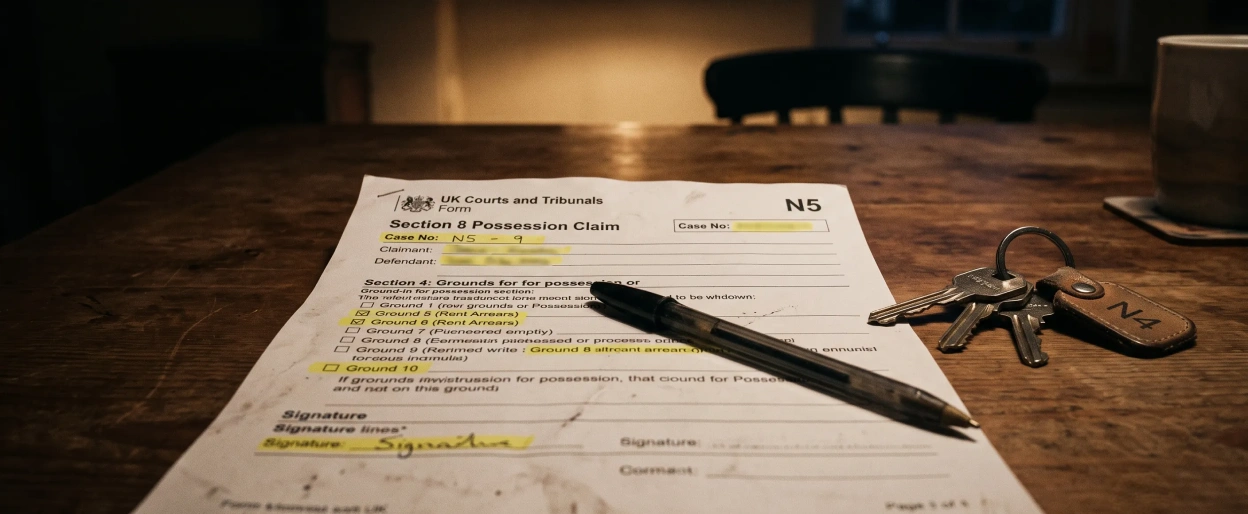
Tenants often fear speaking up about disrepair issues because they worry the landlord could retaliate by evicting them. But the law protects the tenant in these scenarios. If eviction proceedings are started after a disrepair complaint, the court will consider this when deciding whether to grant a possession order to the landlord. If you’re unsure, speak to Complex Law, and we’ll advise on how best to proceed.

.svg)