.svg)


%201.svg)
%201.svg)


.svg)
24/6/2026

10
Min
.webp)
David Whelan
A guide to your rights, obligations, and the options available when things go wrong
In this guide, David Whelan explains the most common types of landlord and tenant disputes, how the law protects both parties, and what steps you should take to resolve the situation and protect your rights.
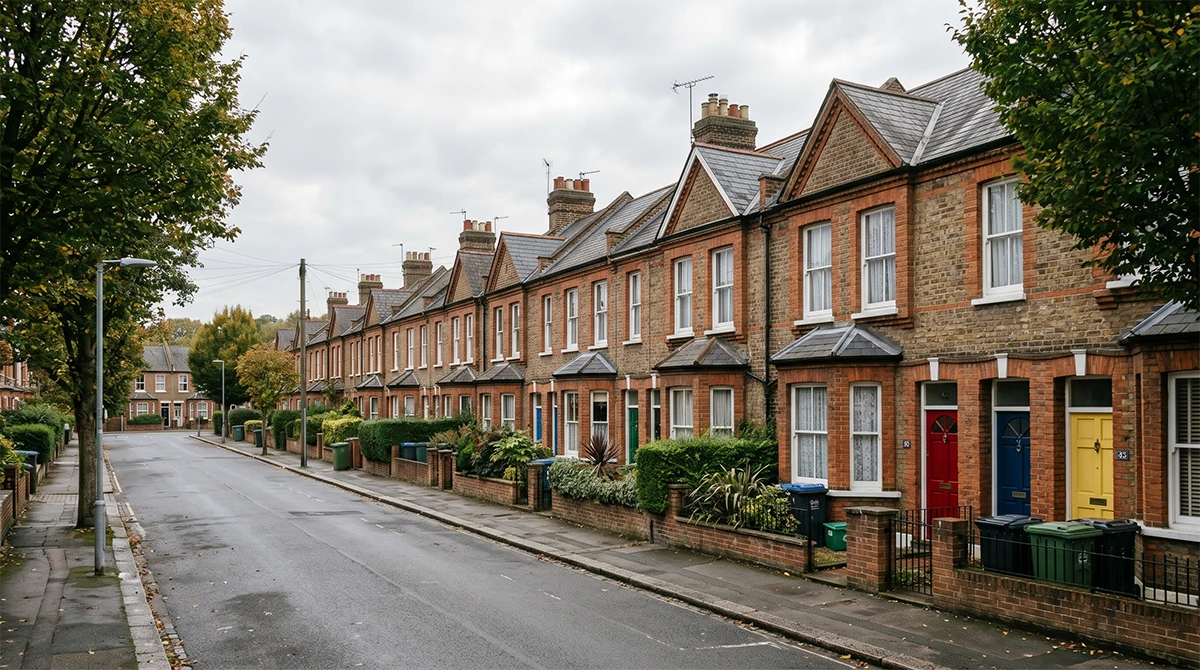
The relationship between landlords and their tenants is highly regulated in law: each party has clearly defined rights and obligations. When that relationship breaks down because one party has infringed on the other's rights, the other may have grounds for legal action.
What legal obligations does a landlord have?
As well as respecting the terms of the tenancy agreement, landlords have to operate according to the various laws and regulations that govern tenancies in England and Wales.
Repairs and maintenance
Landlords are obliged under the Landlord and Tenant Act 1985 to keep the structure and exterior of the property in repair. They must also ensure that water, gas, electricity, sanitation, and heating installations are maintained in working order. Once notified of an issue, they have a legal duty to fix the problem within a reasonable timeframe. For example, a gas leak or electrical fault should be addressed urgently, within 24 to 48 hours. For a dripping tap or a sticking internal door, up to 30 days may be considered acceptable.
Fitness for habitation
In addition to maintaining the structure and supply installations, landlords are required by the Homes (Fitness for Human Habitation) Act 2018 to ensure the property remains fit to live in throughout the tenancy. That means the property should have adequate ventilation and natural light, and should be free of damp or mould. If the property was habitable when the tenant moved in, but has since deteriorated, they may have a claim if they have notified the landlord but received no response.
Gas and electrical safety
Landlords are responsible for ensuring that electrical and gas installations are inspected and certified in line with regulations. They must hold a Gas Safety Certificate, renewed every 12 months, and arrange an electrical inspection by a registered electrician at least every 5 years – and provide documentation of each to new tenants before they move in (or to current tenants within 28 days of an inspection or recertification). Failure to comply can lead to significant fines and even criminal prosecution.
Quiet enjoyment
The right to "quiet enjoyment" is implied in every residential tenancy. Essentially, this legal term means the landlord must not interfere with the tenant's normal use of the property as a home. Disputes arise when landlords breach this obligation by entering without proper notice, changing locks, or cutting off services. In the most severe cases, the landlord's actions may constitute harassment or unlawful eviction.
What legal obligations does a tenant have?
Tenants also have responsibilities under the law and the tenancy agreement. While much of the public discussion around landlord–tenant disputes focuses on the obligations of landlords, tenants who breach their obligations can cause significant harm and financial loss to their landlord.
Payment of rent
A tenant's primary obligation is to pay their rent, in full and on time. If tenants fall behind on payments, landlords have legal avenues available to them to pursue the outstanding debt, and in some cases, to evict tenants from the property.
Care of the property
Tenants are expected to take reasonable care of the property they are renting. General wear and tear is expected, but deliberate or careless damage can give the landlord grounds for a legal claim. Similarly, tenants should report any issues promptly, so they can be addressed before they worsen. For example, if a tenant ignores a leaking pipe long enough that it causes structural damage, they may face legal action from the landlord.
Allowing reasonable access
Landlords, or contractors employed by them, need periodic access to the property to carry out duties such as repairs or inspections. As long as they give proper notice (usually at least 24 hours) and plan the visit at a reasonable time, tenants should allow them access. Persistent refusal of reasonable access requests may provide grounds for the landlord to seek a court order to gain entry.
Compliance with the tenancy agreement
In addition to their statutory obligations, both parties are bound by the terms of the tenancy agreement. This may cover a range of permitted or prohibited activities relating to subletting, use of communal areas, the upkeep of gardens or paths, and keeping of pets. A breach of any term can potentially form the basis of a legal claim.
How are landlord and tenant disputes usually resolved?
If a dispute can't be resolved informally, then both landlords and tenants have a range of legal options available, with the right choice depending on the severity and urgency of the issue. Generally speaking, it's best to start with formal correspondence and explore more complex (and costly) options only if that fails.
What is the Pre-Action Protocol?
In any dispute, the Pre-Action Protocol applies. This is a protocol published by the Ministry of Justice that outlines the steps each party should take before resorting to legal action. Essentially, it is designed to encourage landlords and tenants to resolve disputes themselves, without incurring the expense of a court case. For housing disputes, the protocol recommends:
- Sending an early notification letter before initiating legal action
- Using mediation or other forms of alternative dispute resolution
- Using a landlord's or a local authority's official complaints procedures
If a case goes to court, tenants and landlords may be required to provide evidence that they first followed the advice in the protocol. The courts take the view that litigation should be a last resort, and they will take compliance with the Pre-Action Protocol into account when ruling on which party should pay costs.
What evidence should I gather?
Landlord and tenant relationships are often informal. Although there should be a written tenancy agreement in place, discussions around access rights, service charges or repairs and maintenance commonly take place verbally. However, when a serious disagreement arises and has the potential to escalate into a legal dispute, both parties are better protected if they have a clear chain of evidence covering conversations, actions and timelines.
- Written communications (emails, letters, text messages) are invaluable records of when issues were reported, what response was received, and what requests were made.
- Photographs and video can provide crucial evidence of the condition of a property and any damage or hazards. Ideally, they should be dated to show when issues occurred or worsened.
- Inspection reports and safety certificates provide independent evidence of the condition of the property and its installations and any defects present.
- Financial records showing rent payments (or arrears), service charge demands, repair invoices, or receipts for costs incurred (such as temporary heating) demonstrate the financial impact.
- The tenancy agreement itself provides an unambiguous record of the terms both parties originally agreed to.
How do I know if I have a valid legal claim?
If you’re involved in a dispute, as a landlord or a tenant, speak to Complex Law. We’ll help you to assess the strength of any potential claim. Where disputes can be resolved early through formal correspondence, costs are typically limited and predictable. For cases that proceed to tribunal or court, we can provide you with staged fee estimates so there are no surprises – and in some cases, we may be able to offer no-win, no-fee arrangements. Get in touch to discuss costs for your specific situation.
Quick Quiz
How much did you learn about this topic?
Quiz: Question 1 of
5
Quiz Complete
You scored X out of
5


.webp)








.svg)